Indie studio
Apps built
by their first users
We are Pauline & Julien, a small independent studio based in the South of France. We build the apps we wish we'd found.
First, a need
Behind every app, a real need: something concrete, everyday, that deserved a better solution.
Built to last
Built to last, not to impress. We use them ourselves, and we improve them with our users.
The platform follows
The product decides the platform: Mobile / Web / Desktop / Smartwatches / … We adapt to what makes sense.
What we ship
Apps Preview
See all apps
Your finances, finally taken seriously
Manage everything, without giving access to your bank. On a big screen.
Planner · Budget Envelopes · Savings Goals · Automatic Transactions
Discover Broney →
Copy from iOS, paste on Windows
Seamless sync between your iOS and your Windows. Copy on one, paste on the other.
Transparent · Instant · Clipboard history · Notifications
Discover CPSync →Recipe book and meal planning
A mobile app to create and follow your recipes step by step, plan your meals for the week and prepare your next shopping list.
Coming soon Your finances, on mobile
Manage your transactions, track your budget envelopes and keep an eye on your finances with widgets.
Coming soonSee all apps →
Three colours, three characters
The story behind the name
"Oasuta" is a tribute to our three companions. Each color in the logo represents one of them.

Oasis
European Shorthair
By our side since 2018, clingy and unshakeable.


Sullyvan
Maine Coon
A total charmer, and way too comfortable in a sink.


Takeo
Akita Inu
40kg of love, impossible to take a step without him.

Two developers, one simple idea
The studio
We started Oasuta Lab because we believe the best tools are built by people who actually use them every day.

Switched from IT networking to development out of a passion for creating. I build applications with care that make everyday life easier.

 Article
 What Is Disposable Income and How to Calculate It
The definition of disposable income, the formula to calculate it, and why this number (not your salary) should drive your budget
 Article
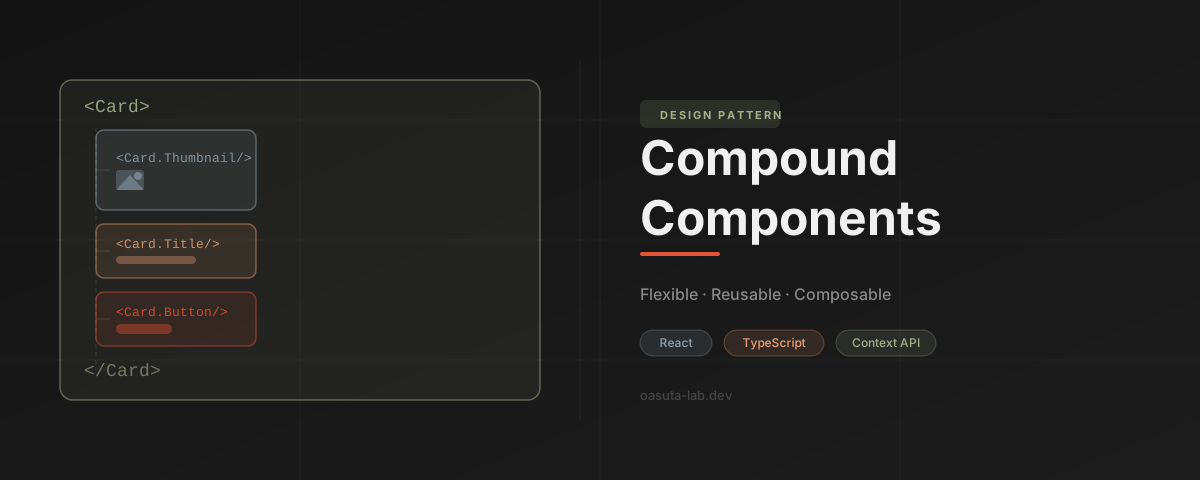
 Design Pattern: Compound Components
How to build flexible, reusable React components using the Compound Components pattern — with practical Card and Todo-list examples.
See all →